Meet Pasha Life
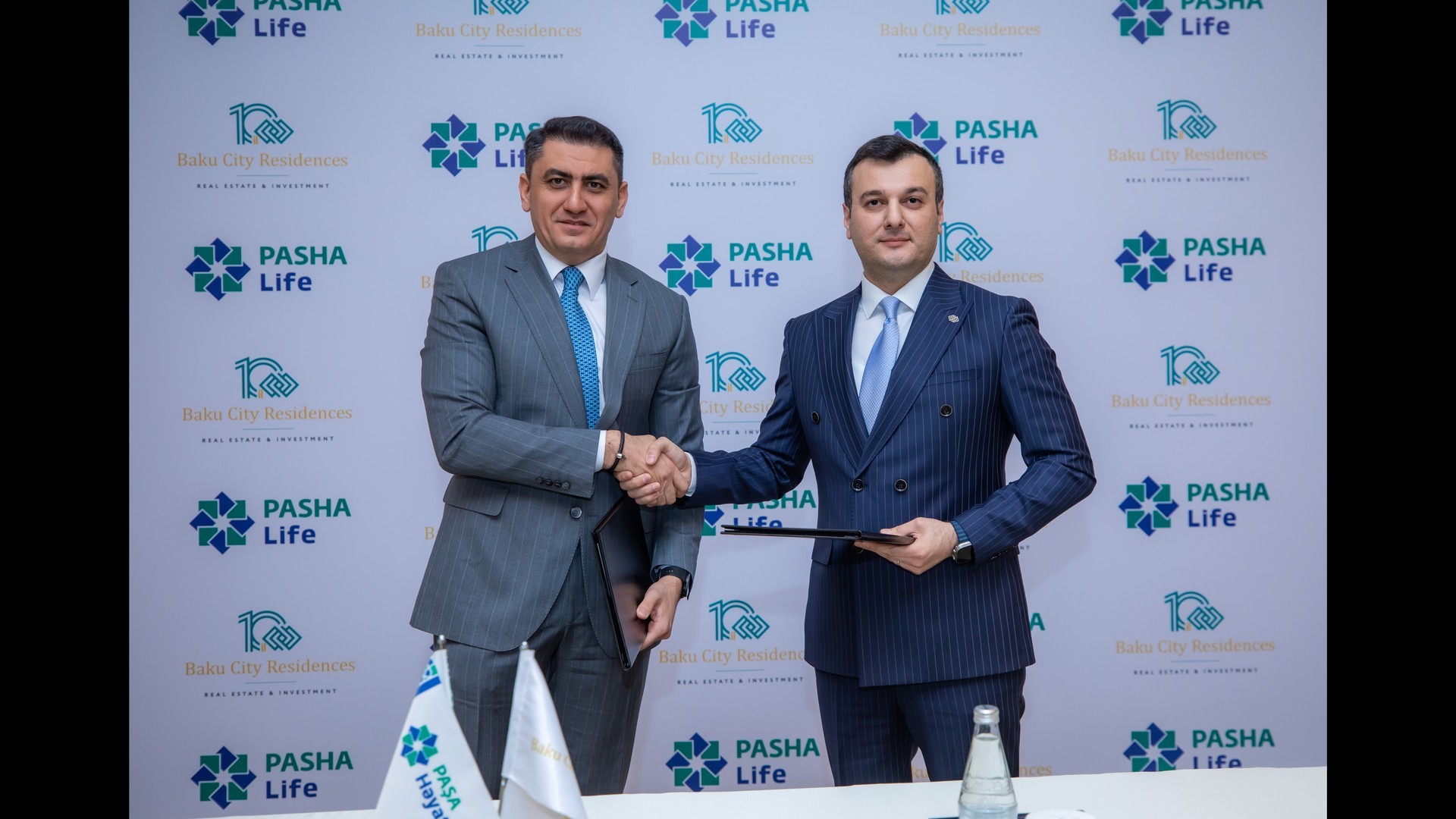
Pasha Life is a prominent insurance company, with around 500 employees. The OKR Institute worked with Pasha Life to give its Agile Coaches the skills and knowledge to put Objectives and Key Results into practice in a way that would last. The aim was to use OKRs to boost agility, sharpen strategic focus, and make work more efficient. By starting with the coaches, the plan was to build internal capability that could carry OKRs across the company over time, rather than relying on outside help for every step.
Bridging the Skill Gap
Pasha Life faced three main challenges. The first was a skill gap among its Agile Coaches. There was a real gap in understanding and experience when it came to fitting OKRs into agile frameworks. The second was consistency and staying power. Adopting OKRs across various teams and departments, each with its own projects and ways of working, was not simple. The third was cultural fit. Folding OKRs into the company's agile culture took care, because anything that felt forced could meet resistance and undercut the whole effort.
The choice to focus on Agile Coaches was deliberate. Coaches are the people others turn to for guidance, so a gap in their understanding would ripple outward. Closing that gap first meant the rest of the company would learn OKRs from people who genuinely knew the framework.
How We Worked Together
The OKR Institute focused on building strong internal coaches and a framework that fit Pasha Life.
- Specialized coach training: We ran training built for Agile Coaches, covering the principles of OKRs, how they fit with agile methods, and how to coach others through implementation.
- Framework customization: We helped tailor the OKR framework to Pasha Life's needs, so it complemented the company's agile practices and goals.
- Cultural and process guidance: We offered guidance on adjusting processes and culture to welcome OKRs, including ways to overcome resistance and build a habit of improvement.
Teaching coaches not just to use OKRs but to coach others on them was the multiplier in this work. Each trained coach could then guide several teams, spreading the framework far wider than any single workshop could.
What Made it Work
- Coach-first strategy: By investing in the people whose job is to guide others, Pasha Life created a multiplier effect that carried OKRs far wider than any single workshop could.
- Agile-OKR integration: The training connected OKRs naturally with existing agile practices, so coaches could introduce the framework without disrupting how teams already worked.
- Cultural sensitivity: Careful attention to cultural fit meant OKRs were welcomed rather than resisted, building genuine adoption instead of mere compliance.
What Changed at Pasha Life
Stronger coaching capability
The Agile Coaches gained the skills and knowledge to integrate and sustain OKRs within their teams, lifting their coaching across the board.
Better alignment and execution
Using OKRs improved strategic alignment and execution across teams, leading to a more focused and efficient way of working.
Cohesion and agility
The company saw a smoother cultural fit for OKRs, which improved agility, sharpened the focus on outcomes, and made the working environment more collaborative.
What This Shows
Pasha Life's case shows the value of starting with your coaches. Rather than train everyone at once, the company built deep capability in the people whose job is to guide others. Those coaches then carried OKRs into their teams in a way that fit the existing agile culture. The lesson for any organization with agile coaches or internal champions is to invest in them first. When the people who coach understand OKRs deeply, the framework spreads with far less friction and far more staying power. One well-trained coach can guide several teams, and each of those teams can carry the practice further still. That is a far more efficient path than trying to train everyone at once.