Meet Petronas
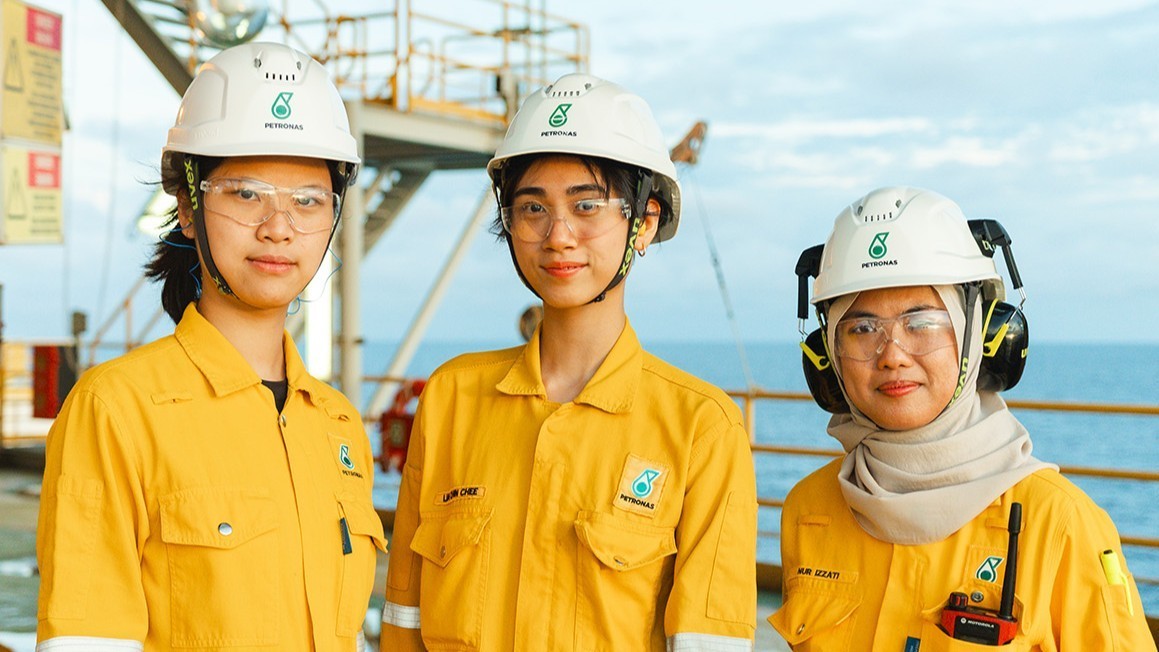
Petronas is a global energy company based in Malaysia with around 48,000 employees. The OKR Institute worked with the company's strategy team to build the skills they needed to run Objectives and Key Results well, starting with a set of pilot groups. The aim was to give strategy teams a practical way to turn big ambitions into focused, measurable goals that fit how Petronas actually operates.
Energy is a long-cycle, capital-heavy industry, so the ability to set clear goals and track them carefully is not a nice extra. It is central to how the business plans and delivers.
Writing Goals That Actually Move the Needle
Petronas faced a specific challenge. Drafting OKRs that are genuinely useful is harder than it looks. A goal can sound impressive and still fail to move the company forward. The strategy team needed to write OKRs that were both powerful and tightly connected to the wider company strategy. That meant more than a quick lesson on the format. It called for a careful approach to training, one that respected the scale and complexity of a large energy business.
There was also the question of where to begin. Rolling OKRs out everywhere at once would have been risky in an organization this large. Petronas chose to start with pilot groups, which meant the training had to prepare those groups to set an example the rest of the company could learn from.
Context-Led Training for Real Teams
The OKR Institute designed training around Petronas's own context rather than a one-size course. We worked closely with the people responsible for shaping and guiding goals across teams.
- OKR Practitioner courses: These sessions were built for Agile Coaches and Team Leads. They focused on writing effective OKRs and connecting them to both team goals and company-wide strategy.
- Context-led curriculum: The material reflected the way Petronas works, from its operational reality to its strategic ambitions, so the lessons felt relevant instead of abstract.
- Deep methodology grounding: We made sure participants understood the thinking behind OKRs, not just the mechanics, so they could adapt the approach as situations changed.
Working through pilot groups gave the training a sharp edge. Participants were not learning in theory. They were drafting real OKRs for real teams, which made the lessons land and gave the wider organization a tested example to follow.
What Made it Work
- Pilot-first strategy: Starting with focused groups reduced risk and created a tested model the rest of the company could follow.
- Skill over format: The training taught the thinking behind OKRs, not just the template, so teams could adapt as conditions changed.
- Context-specific content: Every lesson was tied to Petronas's real operating environment, making the training immediately applicable.
- Strategy team as foundation: Building capability in the strategy team first gave OKRs a credible home from which to expand.
What Changed at Petronas
Real strategic alignment
Team leads learned to line up OKRs with both their team's immediate work and the broader goals of Petronas, so effort pointed in a common direction.
Stronger OKR drafting
Participants got better at writing compelling, custom OKRs that spoke to the real challenges and opportunities their teams faced.
A steady rhythm
The training reinforced the value of regular goal setting and review, giving the company a clearer beat to plan and adjust around.
Confident pilot groups
The pilot groups built confidence in the approach, making it easier to imagine OKRs working in other parts of the company.
What This Shows
The Petronas story makes a quiet but important point. The hard part of OKRs is rarely the format. It is writing goals that are both ambitious and connected to strategy, and doing that consistently. By starting with pilot groups and investing in the strategy team's skill, Petronas built the capability to spread OKRs further with confidence. For a large energy company with many moving parts, that kind of focused, well-trained start matters more than a fast and shallow rollout. Build skill first, prove it with a pilot, and let the rest grow from there.