Meet Omantel
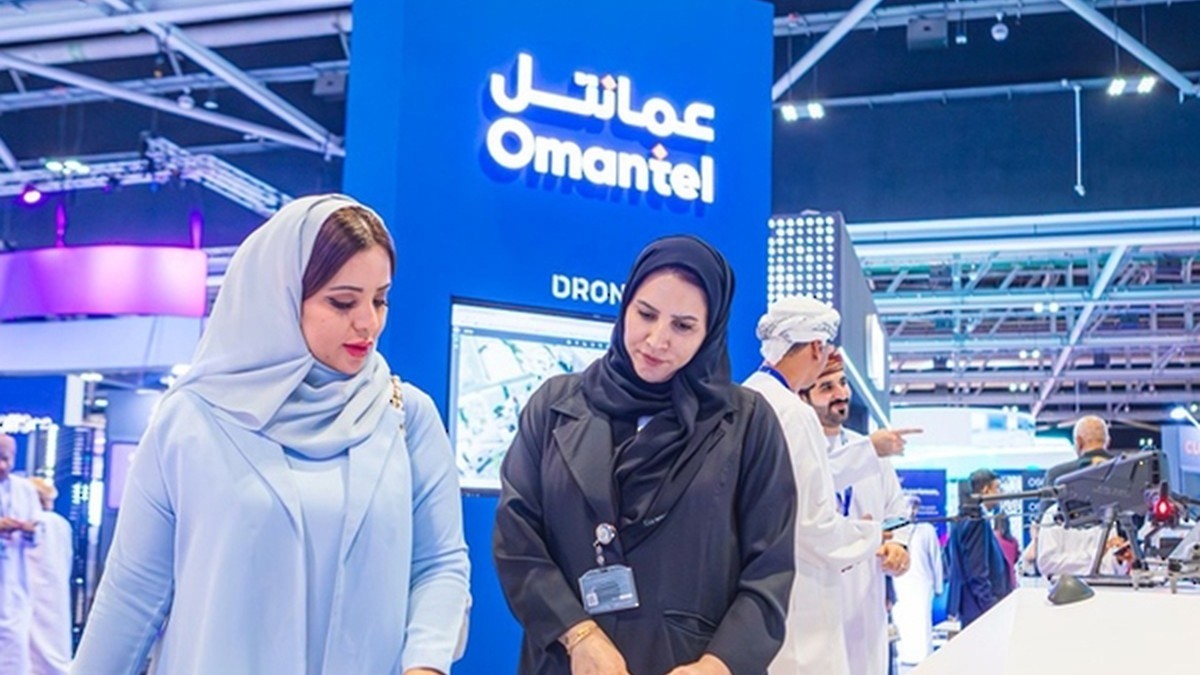
Omantel is a leading telecommunications company in Oman, with around 2,000 employees. The OKR Institute worked with Omantel's HR team, strategy team, and team leads to help them draft and align Objectives and Key Results across the organization. The aim was to put a solid goal-setting and execution framework in place, one that fit Omantel's own culture and the way the company actually runs, rather than something borrowed and forced on from outside. Getting the right teams involved early, including HR and strategy, meant the framework had support from the parts of the company that shape how everyone else works.
Making the Framework Fit
Omantel's main challenge was fit. Plenty of companies adopt OKRs and then watch them sit awkwardly next to how people really work. Omantel wanted to avoid that. The framework had to complement the company's established culture, not fight it, and it had to actually drive goal execution across different teams. OKRs needed to feel like a natural part of the company, something people reached for because it helped, not a process imposed from above that everyone quietly ignored.
Culture in a telecommunications company is shaped by years of habit and a strong sense of how things are done. Introducing a new way to set goals into that setting takes care, because a framework that feels foreign will be resisted no matter how good it looks on paper.
How We Worked Together
The OKR Institute focused on practical training for the people who would carry OKRs into daily work.
- OKR Practitioner courses: We ran courses tailored to Omantel's key teams, the ones directly involved in the OKR system, so participants could apply OKRs within their own context.
- Cultural grounding: The sessions were built to respect Omantel's culture and operational rhythm, so the framework would settle in naturally.
- Skill and confidence building: We gave team leads the knowledge and the confidence to use OKRs well, including how to keep them alive after the initial training.
Involving HR and the strategy team alongside the team leads gave the effort reach. These are the people who set expectations across the company, so their support helped OKRs feel like a normal part of working at Omantel rather than a one-off project.
What Made it Work
- Culture-first approach: Adapting OKRs to Omantel's rhythm and culture rather than forcing a generic framework ensured people used OKRs willingly.
- Weekly check-in habit: Building a steady weekly routine kept goals alive and relevant, preventing OKRs from being forgotten the moment they were written.
- Cross-functional involvement: Getting HR, strategy, and team leads involved early gave the framework credibility and reach across the company.
What Changed at Omantel
Alignment with strategy
Team leads learned to line up their team OKRs with Omantel's strategic management objectives, so every team's effort fed the broader goals.
Weekly check-in habit
Participants picked up the habit of regular weekly check-ins, which kept engagement high and kept the OKRs relevant week to week.
Cultural fit achieved
Team leads learned to adapt the OKR system to suit both Omantel's overall culture and the specific cultures of their teams, making OKRs part of how the company works.
What This Shows
Omantel's experience makes a quiet but important point. The success of OKRs often comes down to fit. A framework that clashes with a company's culture will be resisted, no matter how well designed it is on paper. Omantel got this right by adapting OKRs to its own rhythm and by building the weekly check-in habit that keeps goals alive. The takeaway for any organization is to shape OKRs around your culture, not the other way around. When the framework feels native, people use it, and when they use it every week, it starts to deliver.