Meet Gulfstream
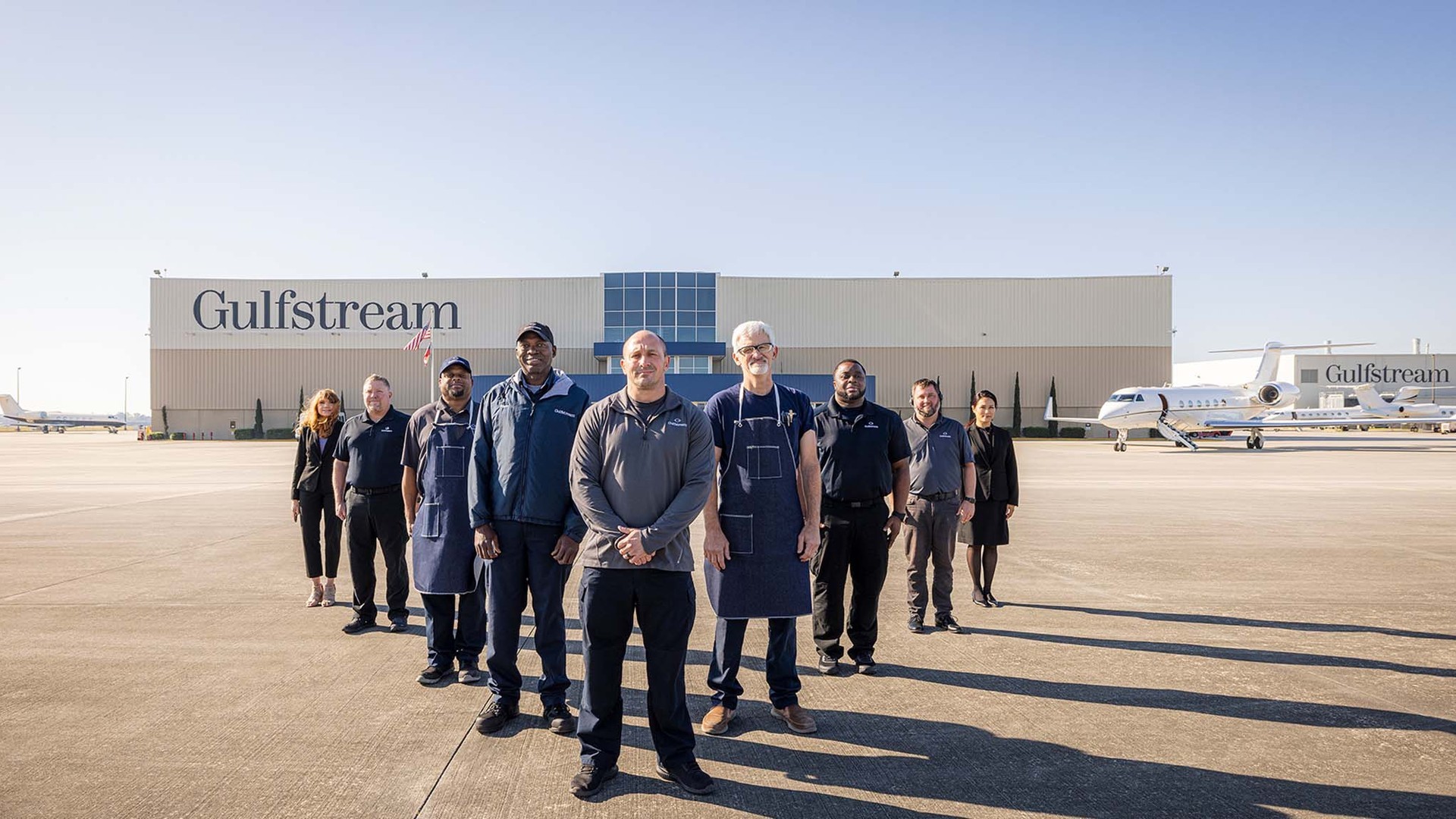
Gulfstream is a leading aircraft manufacturer. The OKR Institute worked with Gulfstream to give its leaders the tools and knowledge to put Objectives and Key Results into practice within their teams. The aim was to make strategic execution smoother, bring teams into closer alignment, and build a culture of steady improvement. In a business as precise and complex as aircraft manufacturing, a clear way to set goals and follow through helps leaders keep their teams focused on what matters most, even when the work is demanding and the standards are exacting.
The Leadership Knowledge Gap
Gulfstream ran into three connected hurdles. The first was leadership familiarity. There was a real knowledge gap among leaders about the principles of OKRs and how to apply them in practice. The second was alignment across teams. Making sure team-level OKRs lined up with Gulfstream's strategic objectives was a substantial task. The third was staying power and engagement. The company needed a system that would not only launch OKRs but also keep teams motivated and involved over the long term, so the practice did not fade once the novelty wore off.
The leadership knowledge gap sat at the root of the other two. Leaders who are unsure of the framework cannot align their teams around it or keep people engaged with it. So building genuine leadership confidence was the natural place to start.
A Leadership-Centered Approach
The OKR Institute put together a comprehensive set of solutions centered on leadership.
- Leadership training workshops: We ran targeted sessions for Gulfstream's leaders, covering the fundamentals of OKRs, strategic alignment, and ways to keep teams engaged.
- Alignment and execution strategies: We held workshops to help leaders line their teams' OKRs up with the company's strategic goals, giving the organization a unified direction.
- Ongoing support and resources: We provided follow-up sessions and access to OKR tracking and management tools, so adoption could continue and improve over time.
The follow-up support was what protected against the practice fading. Rather than leave leaders alone after the first workshop, the ongoing sessions and tools helped them keep refining their OKRs as real situations came up.
What Made it Work
- Leaders-first strategy: Training leaders before anyone else ensured the framework had confident champions who could guide their teams effectively.
- Ongoing follow-up: Continued sessions and tools prevented the common trap of launch energy fading after the first quarter.
- Strategic alignment workshops: Dedicated sessions connected team-level OKRs to company-wide objectives, creating unified direction.
- Precision-culture fit: The approach respected the exacting standards of aircraft manufacturing, making OKRs feel relevant to the work.
What Changed at Gulfstream
Stronger leadership competency
Leaders across Gulfstream built a solid grasp of OKRs, letting them guide their teams in setting and reaching strategic goals.
Better strategic execution
The training and alignment work improved execution across teams, with a clearer focus on goals that fed Gulfstream's overall objectives.
A culture of improvement
The initiative helped embed a habit of steady improvement, with leaders and teams regularly reviewing and adjusting their OKRs.
What This Shows
Gulfstream's case shows how much leadership knowledge shapes the success of OKRs. When leaders do not fully understand the framework, their teams cannot use it well. Gulfstream closed that gap by training leaders first, then giving them the tools and support to keep going. The lesson is straightforward. If you want OKRs to take hold across teams, start by making your leaders genuinely capable with them. Confident leaders set clear goals, and clear goals are what pull a team's effort in the same direction. The follow-up support matters here too. Many programs train leaders once and then leave them to it, which is when good intentions quietly fade.