Meet Allura USA
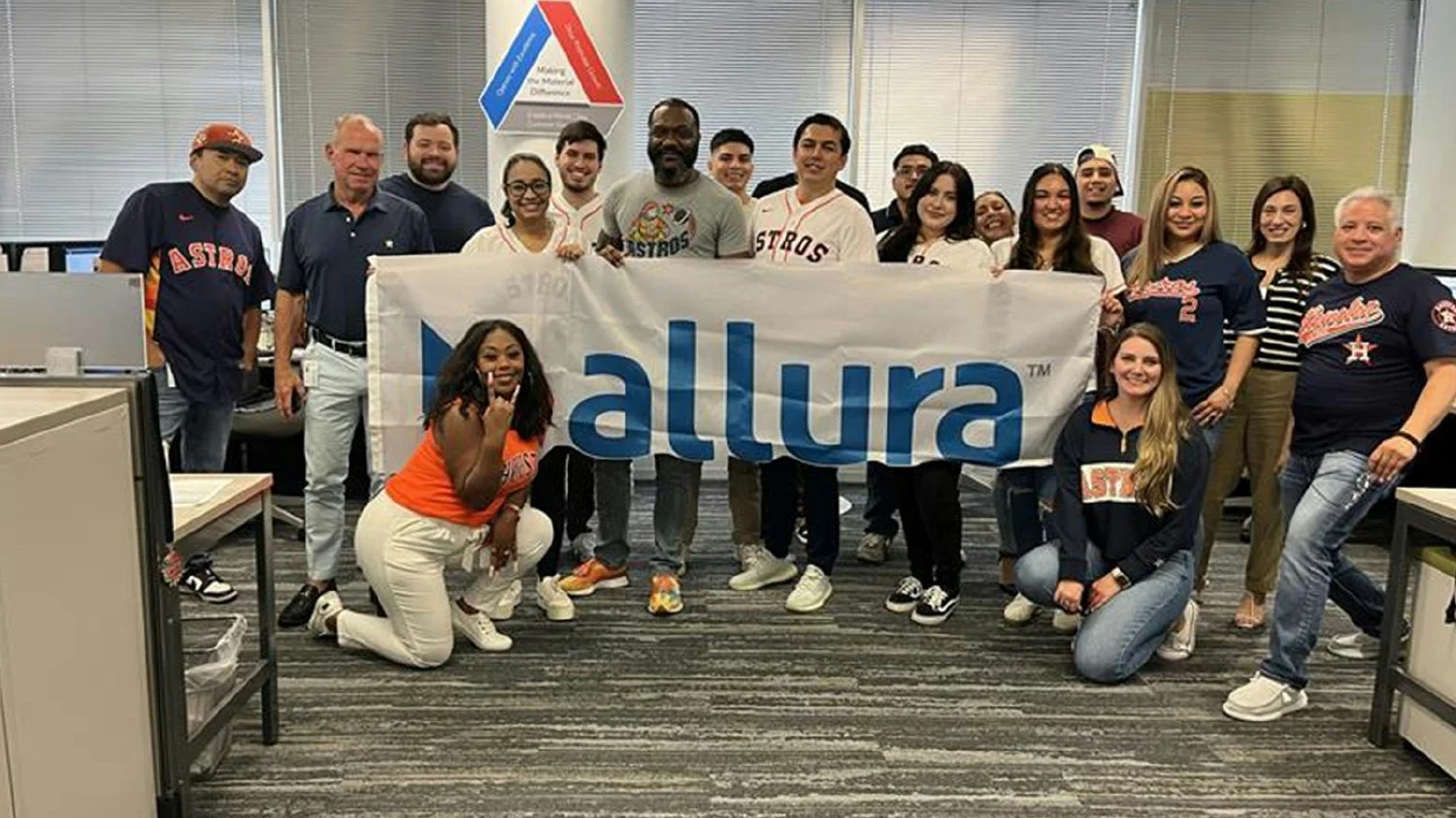
Allura USA is a manufacturing company, with around 160 employees. The OKR Institute worked with Allura to build and roll out a lasting Objectives and Key Results framework. The coaching was led by Dirk Schmellenkamp. The aim was to clear away some long-standing operational hurdles, sharpen how strategy turned into action, and grow a culture of steady improvement and alignment. Allura wanted goals that connected the big picture to the daily work on the floor, and a way of setting them that people would actually stick with rather than quietly abandon.
Bridging Strategy and the Shop Floor
Allura's manufacturing division ran into three problems. The first was a disconnect between strategy and operations. There was a clear gap between the company's overall objectives and the targets teams set day to day, which led to scattered effort. The second was weak goal management. Without a structured way to set and track goals, objectives stayed fuzzy and progress was hard to judge. The third was resistance. The idea of adopting a new goal-setting framework was met with some skepticism, which made the early stages of implementation harder to get moving.
Resistance is common in hands-on settings like manufacturing, where people are practical and wary of new management ideas that might not survive contact with the shop floor. Winning them over meant showing, not just telling, that OKRs would make their work clearer rather than add to it.
A People-Focused Approach to OKRs
The OKR Institute responded with a set of practical, people-focused solutions.
- Customized OKR framework: We built a framework tuned to Allura's strategic and operational needs, so it stayed relevant and useful on the floor.
- Education across all levels: We ran training from executive leadership down to front-line teams, so everyone understood the method and could take part in adopting it.
- Cultural transformation support: We provided coaching, workshops, and feedback to ease the shift, helping the company work through its initial resistance step by step.
Training every level, not just management, was central to overcoming the skepticism. When front-line teams understood OKRs for themselves, the framework stopped feeling like something imposed from above and started feeling like a shared tool.
What Made it Work
- All-level training: Training every level of the organization, not just management, turned skepticism into shared understanding and buy-in.
- Practical, floor-ready framework: A framework tuned to manufacturing realities rather than abstract theory made OKRs feel relevant from day one.
- Patient cultural support: Coaching and feedback helped the company work through resistance step by step, allowing lasting change to take root.
- Strategy-to-operations connection: OKRs bridged the gap between big-picture goals and daily work, pulling effort toward common objectives.
What Changed at Allura USA
Strategic and operational alignment
OKRs noticeably improved the link between strategic goals and daily operations, pulling effort toward common objectives.
Clarity and accountability
The new framework brought a level of clarity and measurability that goals had lacked before, improving accountability and making progress easier to track.
A lasting culture shift
Over time, the culture moved toward transparency, steady improvement, and shared success, built on a real understanding of OKRs.
What This Shows
Allura USA's case is a good example of working through resistance to a new way of doing things. Skepticism is normal when you introduce a framework like OKRs, especially in a hands-on manufacturing setting. Allura handled it by training every level, not just the top, and by supporting the cultural side of the change with coaching and feedback. The lesson is patience. Resistance fades when people understand the method and feel part of the shift. Bring everyone along, and a new framework becomes a new culture. It is worth saying that this kind of change does not happen on a fixed schedule. Some teams warm to OKRs quickly, while others take a few cycles to come around. Allura's willingness to give the shift time, and to keep supporting people through it, is what turned early doubt into lasting buy-in.