Meet Binzagr
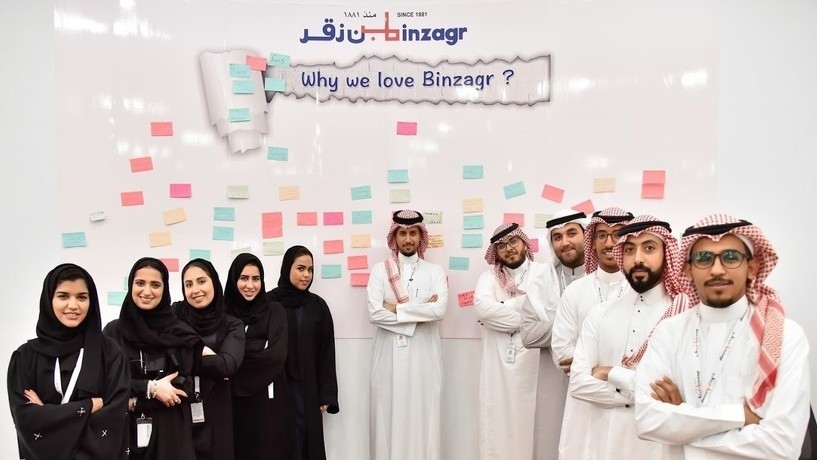
Binzagr is a prominent distribution and logistics company in Saudi Arabia, with around 1,600 employees. The OKR Institute worked with Binzagr to bring Objectives and Key Results into the company's strategy. The coaching was led by Dirk Schmellenkamp. The work was driven by a real need to tidy up goal setting, make execution more efficient, and pull the whole company into closer alignment. Binzagr wanted goals that were clear and connected, not scattered targets that pulled different parts of the business in different directions. For a distribution company, where many moving parts have to work in concert, that kind of alignment is central to running well.
Departments Pulling in Different Directions
Binzagr came in with three connected problems. The first was strategic misalignment. Different departments were chasing different objectives, which created waste and blurred the overall focus. The second was inconsistent goal achievement. The company's existing way of setting goals lacked the structure and clarity needed to hit targets and measure them reliably. The third was low engagement and transparency. Many employees did not have a clear sense of the company's strategic direction or of how their own role fed into it, which made it hard to feel invested in the outcome.
When departments pull in separate directions, the cost is rarely obvious at first. It shows up slowly, in duplicated effort and missed handoffs. Binzagr wanted to catch that drift and replace it with a clear, shared direction before it became a deeper habit.
Cross-Functional Alignment
The OKR Institute put together a focused set of interventions to address all three problems.
- OKR workshops: We ran tailored workshops to introduce leadership and teams to the framework, with a focus on writing achievable objectives tied to measurable key results.
- Cross-functional alignment sessions: We held sessions to line OKRs up across different levels of the company, so everyone pointed toward shared objectives.
- OKR software: We introduced tracking software to support better goal management, more transparency, and stronger feedback loops.
The cross-functional sessions were key to fixing the misalignment. By bringing different departments together to set goals in view of one another, the company replaced separate agendas with a common one.
What Made it Work
- Cross-functional goal setting: Bringing departments together to set goals in view of one another replaced separate agendas with a common direction.
- Visibility through software: Tracking tools made progress visible to everyone, turning transparency into a driver of engagement.
- Structure and clarity: Clear, measurable OKRs replaced fuzzy targets, making it easier to hit goals and measure results reliably.
- Alignment over fragmentation: Connecting every team to the bigger picture stopped the drift of duplicated effort and missed handoffs.
What Changed at Binzagr
Cohesion and efficiency
The company saw better strategic alignment and smoother operations as teams and departments aimed their effort at common objectives.
Better goals and performance
The clarity and measurability of OKRs led to sharper goals and improved tracking, which lifted achievement rates across the business.
More transparency and engagement
The OKR system made progress more visible and gave employees a clear view of how their work fed into company goals, boosting engagement.
What This Shows
Binzagr's case shows how OKRs can pull a fragmented set of goals back into one direction. When departments chase separate targets, energy gets wasted and focus slips. By introducing OKRs with workshops, cross-functional alignment, and a tracking tool, Binzagr replaced that scatter with a shared sense of purpose. The lesson for any organization dealing with misalignment is that transparency and structure go a long way. Make goals clear, make progress visible, and connect every team to the bigger picture. Alignment and engagement tend to follow. For a distribution business built on smooth handoffs, that visibility was worth a great deal.