Meet Ambient Lounge
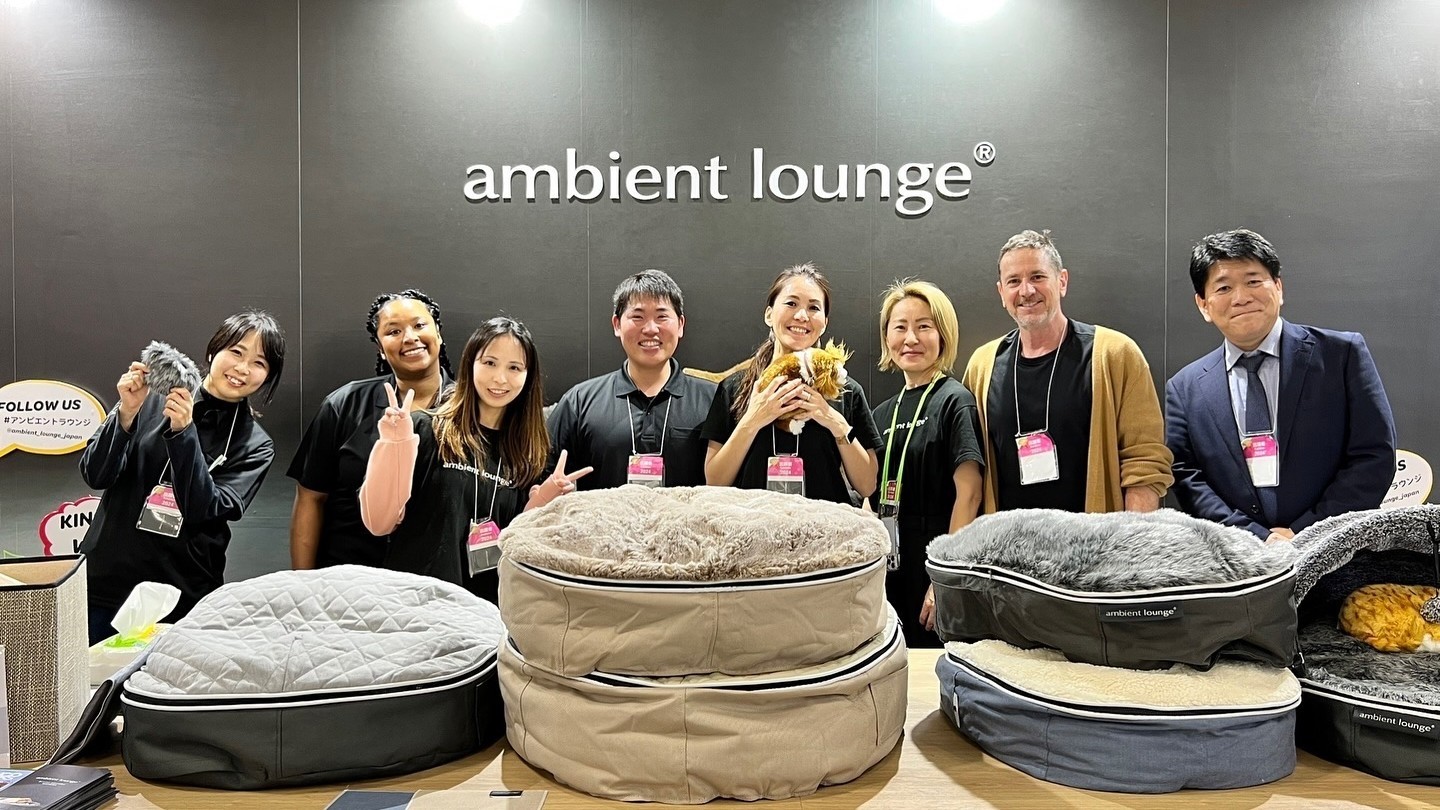
Ambient Lounge is a company known for its stylish, modern lounge furniture, with around 1,000 employees. The OKR Institute worked with Ambient Lounge to train its teams on drafting, aligning, and running Objectives and Key Results in a way that would last. The aim was to sharpen strategic focus, build a habit of steady improvement, and make execution more efficient across the company. Because the teams were fairly new to OKRs, the work paired training with alignment and ongoing support, so the framework had a real chance to settle in rather than fade after a single session.
Starting from Square One
Ambient Lounge faced three main challenges. The first was familiarity. The teams had limited knowledge of the OKR framework, so the first job was simply helping people understand what OKRs are and how they work. The second was alignment across teams. With several teams pulling in their own directions, the company needed a way to bring their goals together behind shared objectives. The third was staying power. Ambient Lounge did not just want to try OKRs once. It wanted the practice to remain useful and relevant well beyond the initial launch.
Starting from limited familiarity is actually a fair advantage in one sense. There were no bad habits to unlearn. But it also meant the basics had to be taught clearly and patiently, because everything that followed would rest on that foundation.
How We Worked Together
The OKR Institute built a program that covered learning, alignment, and the long term.
- Targeted training workshops: We ran in-depth sessions tailored to Ambient Lounge's needs, covering the basics of OKRs, good practice for drafting and aligning them, and how to put them into action.
- Alignment and integration sessions: We held workshops to line OKRs up across teams, so individual and team goals supported the company's overall direction.
- Long-term support: We provided follow-up sessions and access to OKR tracking tools to help fold the practice into the company's everyday rhythm.
The follow-up support was what set this engagement up to last. A workshop can spark interest, but it is the steady follow-through afterward that turns a new idea into a normal part of how a company works.
What Made it Work
- Beyond the workshop: Pairing training with alignment work and ongoing support turned a new idea into a lasting habit rather than a one-off event.
- OKRs as shared language: Once teams had common terms for goals and progress, conversations across the company became easier and quicker.
- Clean slate advantage: Starting with no prior OKR experience meant there were no bad habits to unlearn, allowing the foundation to be built correctly from the start.
What Changed at Ambient Lounge
Clearer focus and execution
After the training, teams understood their strategic priorities better and got more efficient at carrying out their work in line with those priorities.
Stronger collaboration
The alignment sessions built a greater sense of teamwork, with OKRs acting as a shared language and a common focus across the company.
A culture of improvement
The work helped embed a habit of steady improvement, with teams regularly reviewing, adjusting, and setting OKRs to keep moving forward.
What This Shows
Ambient Lounge's case is a good example of how to start OKRs from scratch and make them stick. The company did not treat training as a one-off event. It paired the learning with alignment work and ongoing support, which is what turned a new idea into a lasting habit. The lesson for any team beginning its OKR journey is to plan past the launch. Build in follow-up, give people tools, and keep the practice alive. That is how OKRs grow from a workshop into a real way of working. For a company that started with little knowledge of the framework, the progress is encouraging. It shows that you do not need prior experience to get value from OKRs. What you need is a clear start, support that lasts, and the patience to let new habits settle in over a few cycles.